A recent study commissioned by Sightsavers Ghana has confirmed the disproportionate impact of climate change on persons with disabilities in Ghana, highlighting their increased vulnerability to extreme weather events and the lack of targeted interventions.
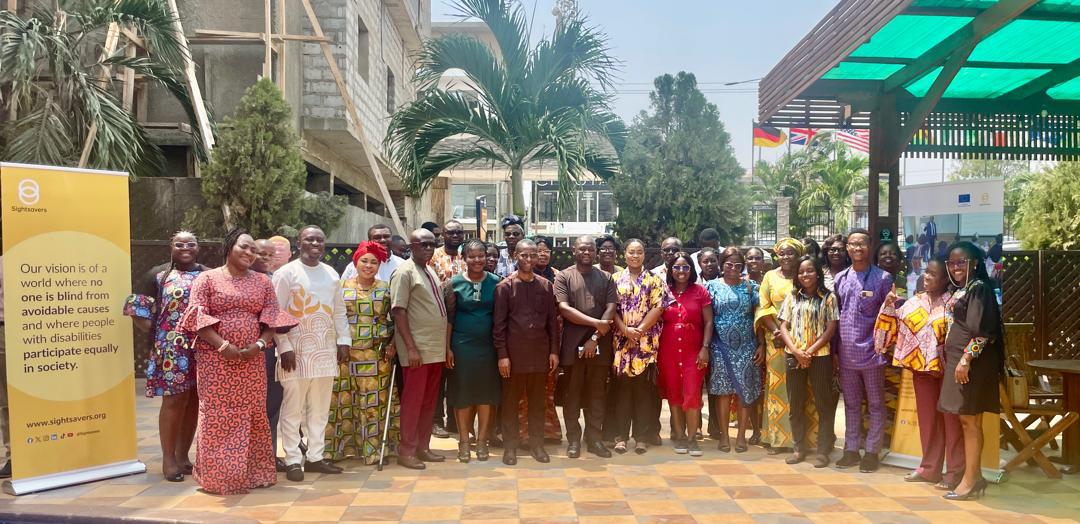
The findings were presented at a dissemination workshop held in Accra on February 21, 2024, bringing together stakeholders from government agencies, organisations of persons with disabilities, civil society organisations, the media, and development partners. The project was funded by the European Union.
The study, conducted across 33 districts in the Ashanti, Bono, Bono East, Oti, and Volta regions, investigated the impact of climate change on persons with disabilities and assessed their access to existing interventions, as well as gender considerations.
It confirms a growing body of evidence that people with disabilities are significantly more vulnerable to the effects of climate change.
“We all know that climate change is now a big issue, and the government and development partners have been making efforts to provide certain interventions,” said Mr. David Agyemang, Sightsavers Ghana Country Representative. “The question is, how is climate change impacting persons with disabilities? And how are they involved and benefitting from the interventions available?”
The study revealed that while persons with disabilities are negatively impacted by climate change, there are currently no specific initiatives targeted at mitigating the impact on them.
This is particularly concerning given that people with disabilities are more likely to be affected by extreme weather events such as floods, storms, heat waves, and droughts due to their limited mobility, reliance on assistive technologies, and often residing in at-risk locations.
The increased risk factors, the study says, is heightened for persons with disabilities by a convergence of vulnerabilities, including pre-existing health conditions and/or impairments, economic disadvantages, social exclusion, and limited access to critical services.
These vulnerabilities make people with disabilities more susceptible to the impacts of climate change and less resilient in adapting to a changing world. Inability to move around during intense heat or rainfall, the study finds, means low productivity.
The study also found:
• Reduced access to healthcare services during periods of flooding caused by climate change.
• Limited transportation options during high rainy seasons, hindering their ability to access resources.
• Specific disabilities, like those affecting people with burns or albinism, are aggravated by increased temperature and bright sunshine.
Although disabled respondents reported receiving periodic alerts on climate change-related issues, primarily through radio broadcasts, the study highlighted a significant gap in targeted support.
Another key finding indicated that radio remains the most trusted source of information on climate change interventions for persons with disabilities, while social media is largely distrusted.
This suggests that climate change initiatives channeled through social media are likely to be ineffective in reaching this vulnerable population.
The workshop participants discussed the study’s findings and committed to undertaking activities to address the identified gaps.
SOURCE: DisabilityNewsGH.com