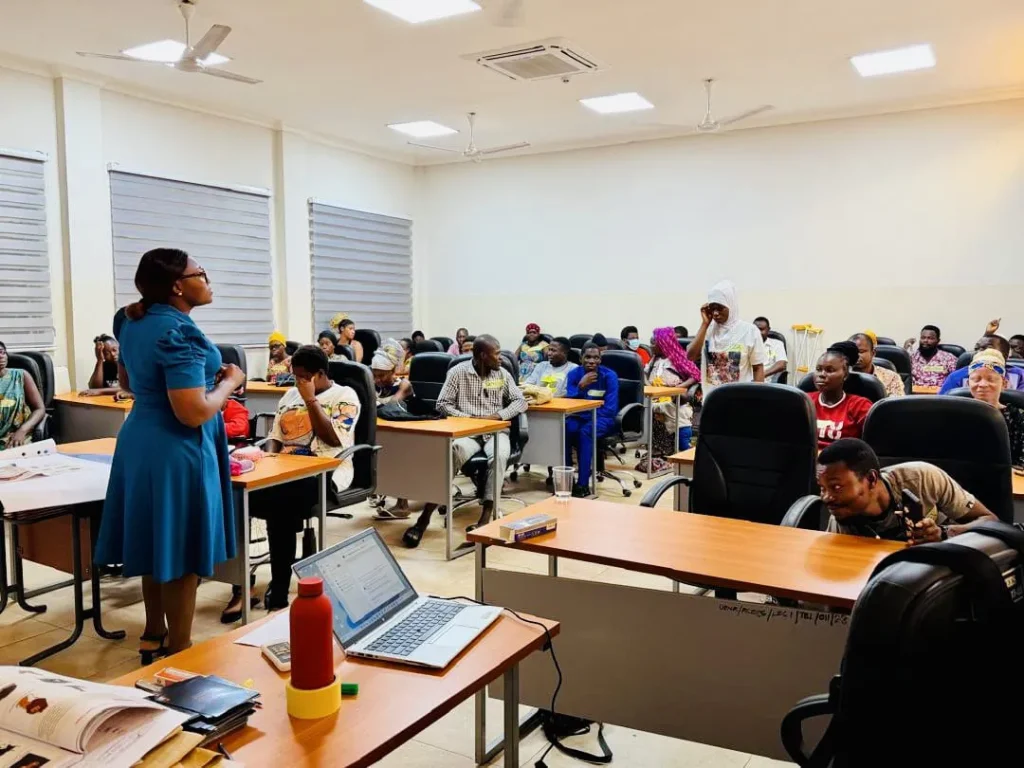
Young women and men with disabilities enrolled in the first cohort of the 2026 We Can Work Academy have begun their Core Life Skills (CLS) training, marking an important step in their journey toward dignified employment.
The training commenced on Monday, 1 June 2026, and is being delivered simultaneously at three locations: the University of Energy and Natural Resources (UENR) in Sunyani, Women’s Haven in Asokwa, Kumasi, and HapaSpace in Danyame, Kumasi.
Over the next six weeks, participants will undergo an intensive Core Life Skills programme designed to strengthen confidence, self-awareness, communication and personal development.
Upon completion, participants will transition into their preferred learning pathways, including Employability Skills Training, Entrepreneurship Training or Technical Skills Training.
The opening sessions focused on a key module: Personal Understanding and Exploration. Through these sessions, participants are encouraged to better understand and embrace their disabilities with confidence and dignity.

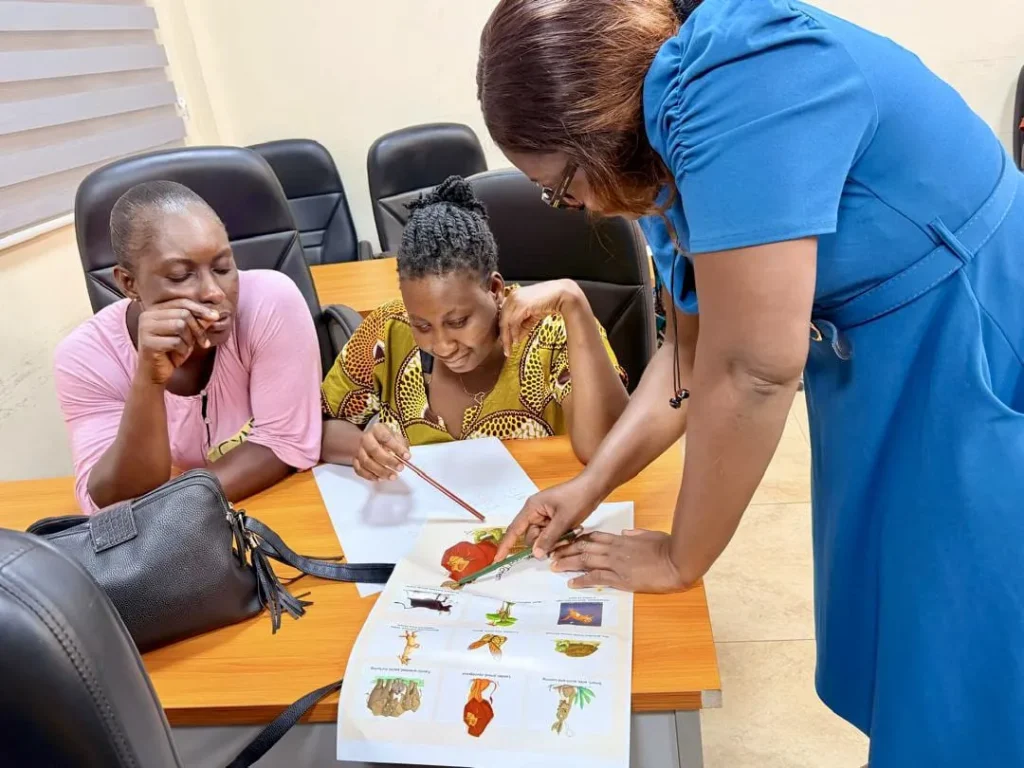
( Photo Description: A facilitator talking to a paticipant )
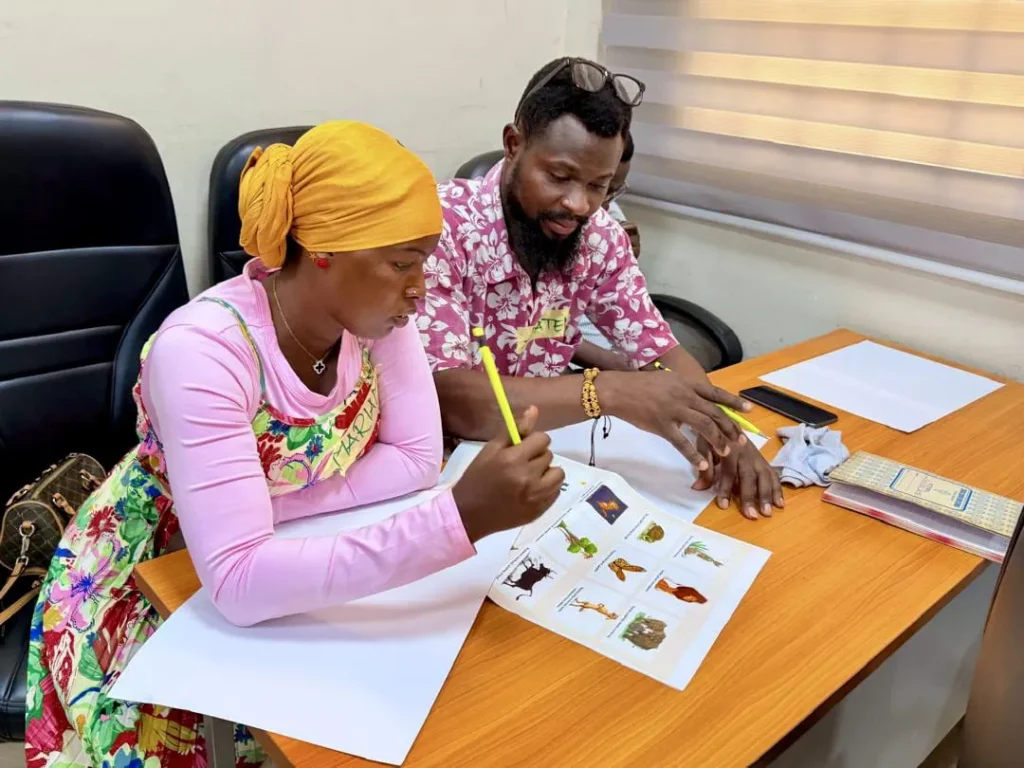
The Tree of Life methodology is part of the Personal Understanding module and helps young people with disabilities identify their strengths, reflect on personal experiences, and draw on resilience to build meaningful lives while contributing positively to society.
The training is being facilitated by MDF West Africa, a key partner in delivering the We Can Work Academy curriculum.
The Academy equips young people with disabilities with practical life, leadership and workplace skills that support their transition into employment and entrepreneurship.
The We Can Work Academy is part of the broader We Can Work programme, a regional initiative that seeks to improve access to dignified and fulfilling work for young women and men with disabilities across Africa.
The programme uses a systems and mindset-change approach to address barriers to employment and economic participation while equipping participants with relevant life, leadership and vocational skills.
In Ghana, the programme is implemented by the Ghana Federation of Disability Organisations in partnership with Light for the World, the African Disability Forum and the Mastercard Foundation.
The initiative aims to ensure that young people with disabilities have the skills, opportunities and support needed to access decent work, become successful entrepreneurs and contribute meaningfully to national development.

As the first cohort embarks on this transformative learning journey, the Academy demonstrates that disability is not a barrier to success when young people are provided with the right opportunities, skills and support systems.
By Mohammed Lansah (GFD)
SOURCE: DisabilityNewsGH.com