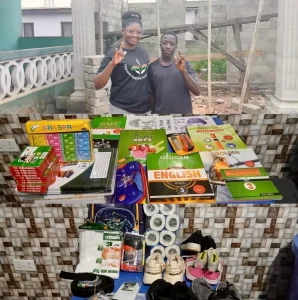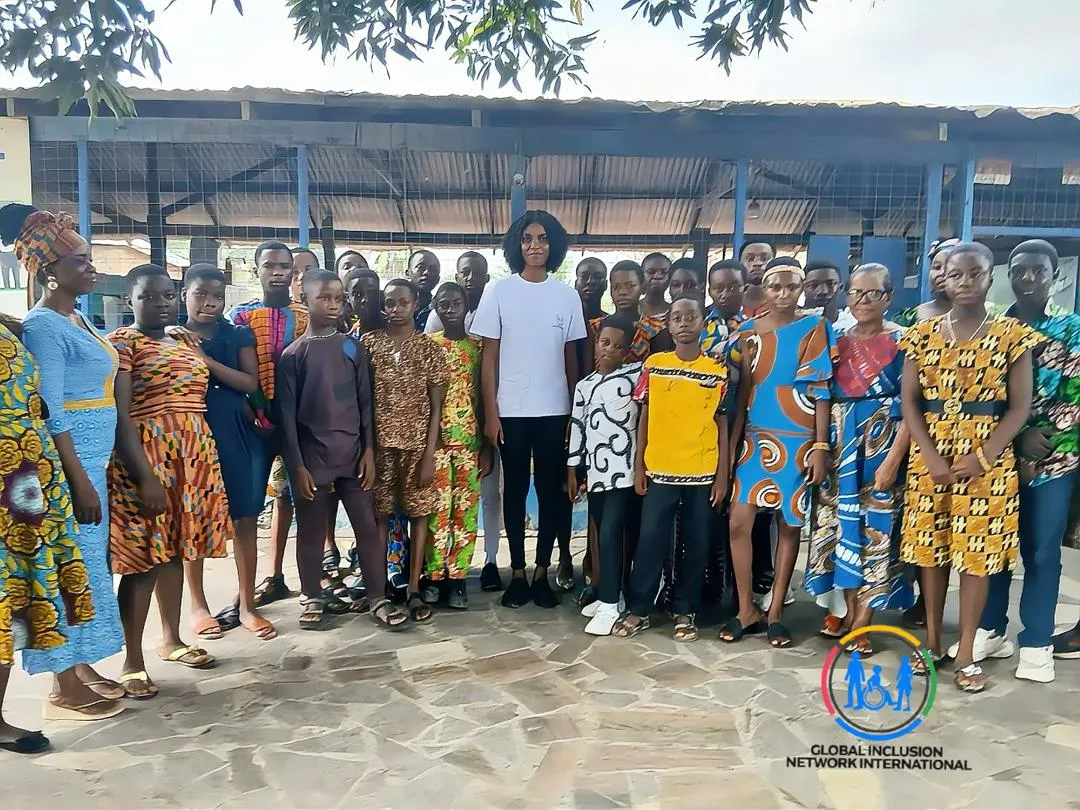
Global Inclusion Network International (GINI) recently conducted a school outreach programme in Medie, Greater Accra Region, aimed at fostering greater disability awareness, inclusion, and understanding among students and teachers.
The outreach sought to spark open and constructive conversations within schools about disability, learning differences, and the critical importance of inclusive education.
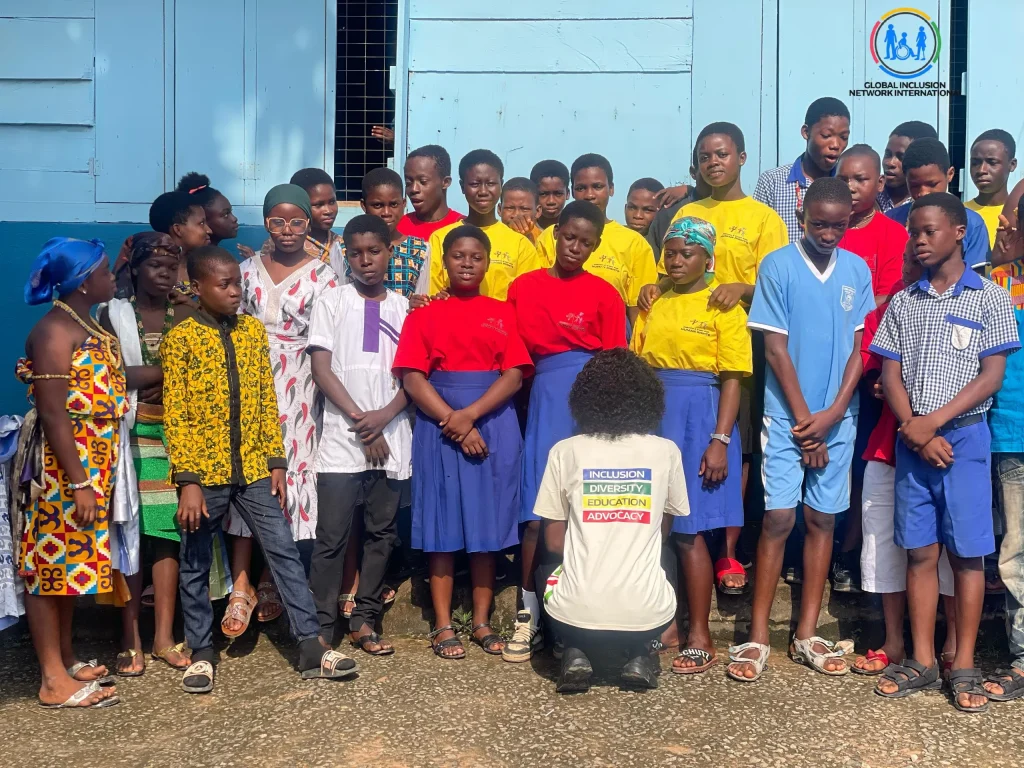
During the outreach, the GINI team visited Meyah Preparatory School and Krishna Academy, introducing pupils to the core concepts of neurodiversity and neurotypical development.
The students learned that individuals think, learn, communicate, and interact in diverse ways, and that these differences are a normal and valuable aspect of human diversity.
The sessions emphasised that disability or neurodivergence does not equate to inability, but rather highlights the need for appropriate support, accommodation, and understanding.
The sessions were highly interactive and engaging, with pupils actively participating through questions and thoughtful contributions. Many students shared personal examples of how they could promote inclusion within their school environments.
These ranged from simple acts of kindness towards classmates who learn differently, to offering assistance, actively avoiding teasing, ensuring inclusive play, and standing up for others when needed.
These contributions reflected a growing awareness, empathy, and a willingness among the students to take responsibility for building a more inclusive school culture.
Teachers were also actively engaged in the discussions, which focused on the importance of early identification of learning differences, the provision of early support, and the implementation of inclusive classroom practices. The goal was to enable both neurotypical and neurodivergent learners to thrive together within the same learning environment.
Real-World Gaps Highlighted by Outreach
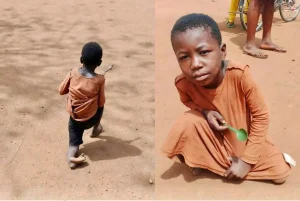
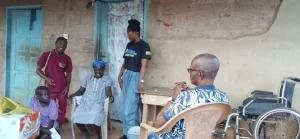
In the course of their outreach, the GINI team encountered a young, nonverbal boy in the community who is blind and currently out of school.
Tragically, the local school could not provide the specialised support he requires to learn and thrive. This poignant encounter underscored the real and urgent gaps that persist within Ghana’s educational system, particularly for children with disabilities who need specialised support and resources to access their right to education.
This experience served as a powerful call to action for schools, communities, policymakers, and stakeholders alike.
GINI urged them to work collaboratively to ensure that no child is denied access to education simply because of a disability.
The organisation stressed that inclusive education should not be viewed as an option, but as a fundamental right. Every child, regardless of ability or difference, deserves the opportunity to learn, grow, and thrive in a supportive and inclusive educational environment.
SOURCE: DisabilityNewsGH.com