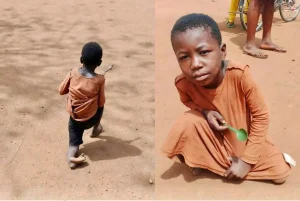
Today, October 6th, 2025, the global community unites to observe World Cerebral Palsy Day, an occasion to highlight the realities, challenges, and immense potential of individuals living with Cerebral Palsy.
Under the empowering theme, “Unique and United,” this day is a vital opportunity to shine a light on both children and adults with cerebral palsy, along with their tireless parents and caregivers, recognising their inherent dignity and contributions to society.
Cerebral Palsy (CP) is a neurological condition primarily affecting motor control and posture, presenting a spectrum of experiences that can include mobility challenges, speech impediments, and other developmental differences. Yet, it is crucial that we look beyond the medical diagnosis and actively nurture the unique strengths, talents, and perspectives that each person with cerebral palsy possesses. Far too often, the focus remains on the “disability” rather than the “ability” – a narrative we must collectively change.
A Lifelong Journey, Supported by Unity
While cerebral palsy is a lifelong condition, it does not define a person’s potential. With the right support, understanding, and opportunities, persons with cerebral palsy can not only thrive but also achieve their fullest potential, contributing vibrantly to their families and communities.
This support encompasses a range of needs, from early intervention and specialised therapies (physical, occupational, speech) to accessible education, assistive technology, and meaningful employment opportunities.
The unwavering dedication of parents and caregivers forms the bedrock of this support system. Their commitment, resilience, and advocacy are truly commendable, and World Cerebral Palsy Day is also a time to acknowledge and appreciate their sacrifices and steadfast love.
Disability as Divine Diversity: Lessons from Scripture
In Ghana, where faith plays a central role in daily life, the concept of disability as part of God’s diverse creation holds profound meaning. The Bible itself illustrates that disability has always been woven into the human tapestry, featuring individuals who lived with various conditions yet played pivotal roles in history. We recall:
Moses: Who confessed a “slow speech and a slow tongue” (Exodus 4:10), yet became God’s chosen leader to deliver His people.
Isaac: Who, in his old age, had significantly impaired eyesight (Genesis 27:1), demonstrating that physical limitations did not diminish his patriarchal authority.
Mephibosheth: The son of Jonathan, who was “lame in both feet” (2 Samuel 9:3), yet found compassion and a place at King David’s table.
These biblical figures remind us that disability is part of human diversity and that individuals with disabilities have always been, and continue to be, valued and capable.
Building a United, Inclusive Ghana
The call to be “Unique and United” extends beyond mere recognition; it demands active participation in building a society where every person with cerebral palsy can flourish. This means:
• Governments and Policymakers: Must prioritise inclusive policies, invest in accessible infrastructure, healthcare, education, and social protection programmes that specifically address the needs of persons with CP.
• Communities: Should foster understanding, challenge lingering stereotypes, and create truly welcoming and barrier-free spaces, both physical and attitudinal.
• Families and Caregivers: Need robust support networks, access to information, and advocacy tools to champion the rights of their loved ones.
• Persons with Cerebral Palsy: Must be empowered to advocate for themselves, share their experiences, and lead the charge in shaping a more inclusive future.
As we mark World Cerebral Palsy Day, let us recommit to fostering a Ghana that truly lives up to its values of inclusion and compassion. By embracing both our individual uniqueness and our collective unity, we can build a more just, equitable, and compassionate society where everyone, especially persons with cerebral palsy, can contribute their invaluable gifts and live a life of dignity and purpose.
By George Best Akuffo Baah and DisabilityNewsGH.com
SOURCE: DisabilityNewsGH.com