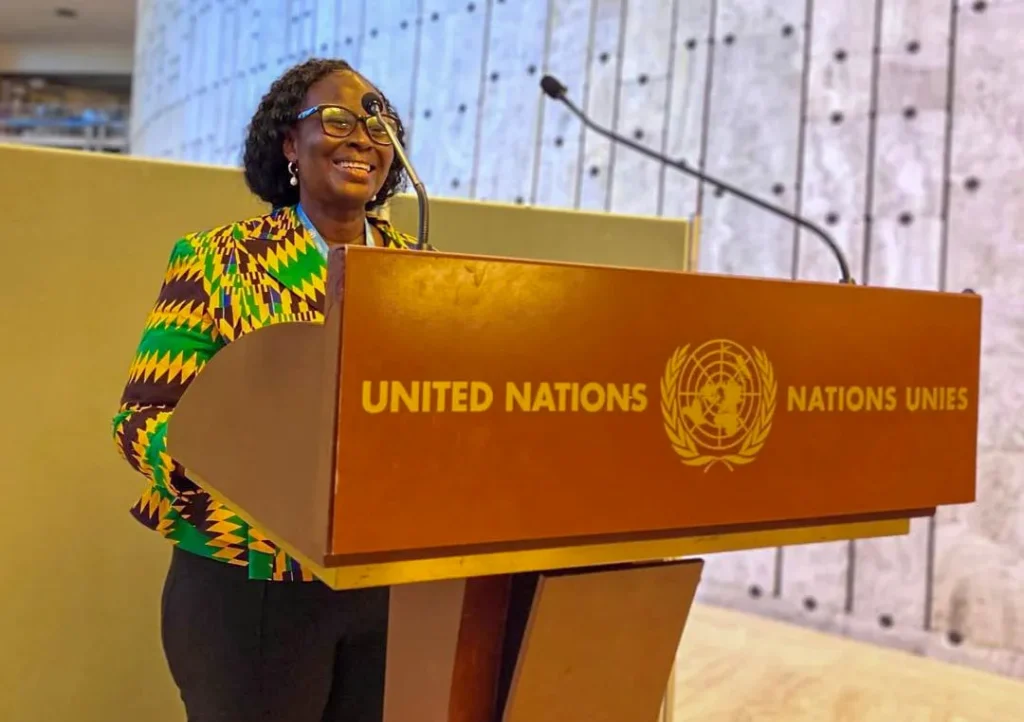
As the world marks 20 years of the United Nations Convention on the Rights of Persons with Disabilities (UNCRPD), former Chair of the UN Committee on the Rights of Persons with Disabilities, Mrs Gertrude Oforiwa Fefoame, has challenged world leaders to move beyond speeches and fund the rights they signed into law.
Speaking in an exclusive interview with DisabilityNewsGH.com after a series of pre-anniversary commemorative events – including the Conference of States Parties (COSP) in New York in June and a continental symposium in Kenya on September 4 – Mrs Fefoame warned the historic treaty risks remaining an unfulfilled promise without dedicated national budgets.
“There is far too much talking at the moment and far too little practice,” she said. “State Parties have simply not invested enough resources into the actual implementation of the Convention. It is the state that holds the ultimate legal obligation, and without direct financial investment, the lives of persons with disabilities on the ground will not improve.”
The Fiscal Blindspot
A veteran human rights advocate and Global Advocacy Manager for Social Inclusion at Sightsavers, Mrs Fefoame said political will is measured in national budgets, not podium rhetoric.
She identified the absence of inclusive and disaggregated budgeting as the biggest bottleneck to progress in developing countries, including Ghana.
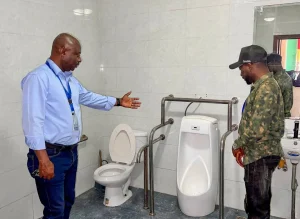
While States cite milestones such as Ghana’s national accessibility standards for the built environment led by the National Council on Persons with Disability (NCPD), such frameworks remain decorative without funding to retrofit public buildings, procure assistive devices, or provide accessible transport.
She said inclusive budgeting for disability is still far too low. While the UN Convention provides the blueprint and UN committees give clear recommendations, many states only make surface-level improvements and fail to commit real money when it comes to the national purse.
Dismantling Tokenism
Mrs Fefoame also criticised the culture of tokenistic consultation.
While public institutions and development partners are eager to parade persons with disabilities at high-profile events, Organisations of Persons with Disabilities (OPDs) are systematically excluded from the design phase of policies, emergency responses, and social interventions.
“We must be deliberate and consistent about involving persons with disabilities, and crucially, we must actually take their inputs on board,” she said. “It changes nothing if we are only invited at the validation stage – when decisions have already been made – simply to check an inclusion box. True partnership means co-designing from the very inception.”
She called on OPDs across Africa and the Global South to hold governments to strict evidentiary standards.
The Forgotten Vulnerable
Mrs Fefoame cautioned that gains of the past 20 years have not trickled down equally.
Women and girls with disabilities continue to bear the heaviest burden of violence, poverty and denial of healthcare, while children with disabilities remain locked out of classrooms for lack of early intervention and accessible learning materials.
“If you do not pay intentional attention to the weaker segments, you end up celebrating macro-level treaty articles while leaving real people behind,” she warned. “Women and girls with disabilities, children with disabilities, minority impairment groups, and those living in rural hinterlands remain the most invisible of the invisible.”
Article 11 Crisis
She raised a particular alarm on Article 11 of the UNCRPD, which obligates States to protect persons with disabilities in situations of risk, humanitarian emergencies and natural disasters.
As climate change triggers devastating floods and displacement across Ghana and Africa, national disaster agencies operate with almost no protocols for persons with disabilities, she said.
“Disaster and emergency preparedess is an area where persons with disabilities are least prepared, and state agencies do not understand how to involve us,” she said. “When floods hit, there are no accessible early warning systems for deaf or blind persons, first responders lack basic skills to safely evacuate wheelchair users, and temporary shelters are completely inaccessible. In all of this, women and girls with disabilities suffer the most.”
A Call for the Next Decade
Mrs Fefoame said the 20th anniversary should be treated as an audit, not a victory parade.
“When we celebrate 20 years of the Convention, we must do so with the sobering reality that we still have a very long way to go,” she concluded. “The framework is there. The moral and legal obligations are indisputable. What we need now is genuine political will, real consultation, and the financial courage to fund inclusion.
The UN Convention on the Rights of Persons with Disabilities marks its 20th anniversary in December this year, having been adopted on 13 December 2006.
SOURCE: DisabilityNewsGH.com