The Country Management Unit (CMU) of the We Can Work (WCW) Programme has officially commenced a series of high-level stakeholder engagements in the Ashanti Region, marking a critical step in the preparations for the implementation of Phase B of the programme.
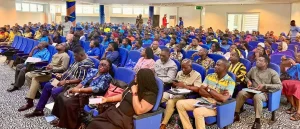
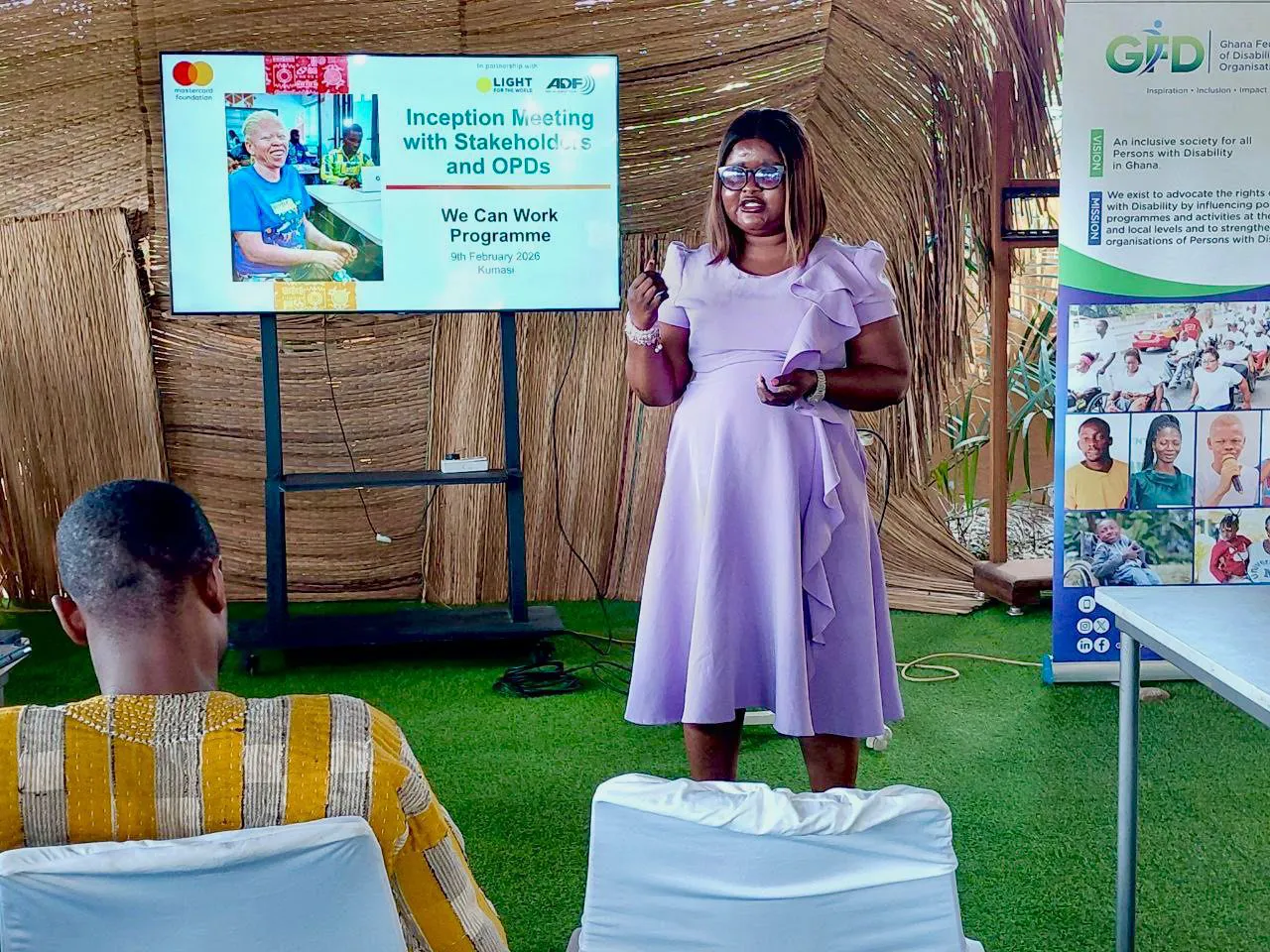
On February 9, 2026, the WCW team, led by Programmes Manager Doris Ndebugre, met with a diverse group of influential partners in Kumasi.
The participants included Social Welfare Officers, leaders of Organisations of Persons with Disabilities (OPDs), members of the clergy, and community leaders.
The session was designed to introduce the strategic objectives of Phase B and build a collaborative framework for its rollout.
Mobilising for Inclusive Employment
A central focus of the engagement was the vital role stakeholders play in the grassroots identification and mobilisation of young women and men with disabilities.
Ms. Ndebugre emphasised that the success of the programme depends on the active support of community and religious leaders in ensuring that marginalised youth are connected to the opportunities provided by the initiative.
The discussions moved beyond mere awareness, tackling the practicalities of creating an inclusive labour market.

Key topics included:
• Implementation Approaches: Strategies for reaching the most remote areas of the Ashanti Region.
• Inclusive Employment: Breaking down physical and attitudinal barriers within the workplace.
• Employer Incentives: Exploring how to encourage and support businesses that choose to hire persons with disabilities.
• Sustainable Livelihoods: Ensuring that employment leads to long-term economic independence for the participants.
A Strong Partnership for Change
The “We Can Work” Programme is a flagship initiative aimed at transforming the economic landscape for persons with disabilities in Ghana.
It is implemented by the Ghana Federation of Disability Organisations (GFD) in a strategic partnership with Light for the World, the Mastercard Foundation, and the African Disability Forum (ADF).
During her presentation, Ms. Ndebugre used visual aids to illustrate the programme’s impact, sparking enthusiastic dialogue among the participants.
The engagement concluded with a sense of shared responsibility, as community leaders and Social Welfare Officers pledged to facilitate the identification and inclusion of young people with disabilities in their respective jurisdictions.
The move into the Ashanti Region signals a robust scaling up of the WCW mandate, ensuring that the “Ability in Disability” philosophy is translated into tangible jobs and sustainable futures for the youth of Ghana.
SOURCE: DisabilityNewsGH.com/GFD