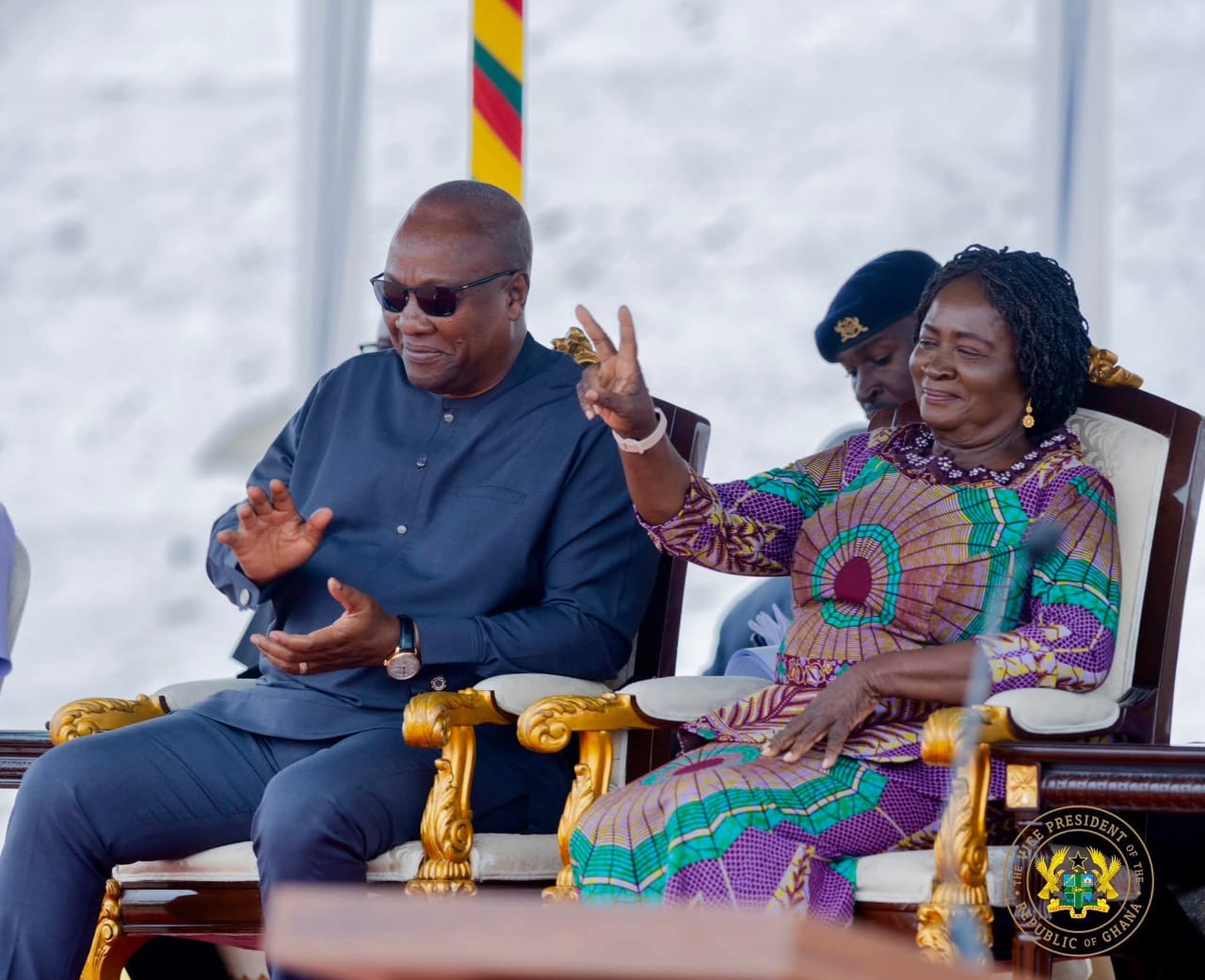
In the heart of West Africa, Ghana finds itself at a pivotal moment in its democratic and developmental journey. With President John Dramani Mahama back at the helm, his administration has rightly made inclusivity a cornerstone of national policy.
From his inaugural address to his pronouncements on international platforms, President Mahama has consistently emphasised that “no Ghanaian should be left behind.”
This commitment is commendable and aligns with the global call to leave no one behind. But as we celebrate this renewed focus, a crucial question remains: How inclusive can we truly be if we don’t even know who we’re including? Rhetoric, however well-intentioned, requires a foundation of concrete data to translate into meaningful action.
According to the 2021 Ghana Population and Housing Census (PHC), approximately 2,098,138 Ghanaians—roughly 8% of our population—live with some form of disability. This figure alone underscores the importance of addressing the needs of this significant segment of our society. Yet, this number, while significant, only scratches the surface of the issue.
A closer examination of the census data reveals a troubling gap: disability data is conspicuously absent from key volumes such as Volume 3A, which focuses on population size and distribution. There are no readily available district-level summaries, compelling visualisations, or crucial disaggregated data broken down by disability type, age, or sex.
This omission is far more than a simple statistical oversight—it is a deeply concerning missed opportunity to foster genuine inclusion. It effectively renders persons with disabilities invisible within the broader development narrative.
How can we effectively plan services, allocate resources, or measure progress if we lack a clear understanding of the specific challenges and needs of persons with disabilities in different regions and demographics?
If the Mahama administration is genuinely committed to building an inclusive Ghana, then it must begin with a deliberate, disability-conscious census strategy. Inclusion starts with visibility.
Without accurate, disaggregated, and readily accessible data on persons with disabilities, policies risk being ineffective, misdirected, and ultimately, failing the very people they are intended to uplift.
The Path Forward: From Rhetoric to Reality
The path towards a truly inclusive Ghana is clear, and requires immediate action:
1. Integrate Disability Data Comprehensively: Disability data must be a prominent feature across all census volumes, not relegated to specialised reports that are often overlooked.
2. Disaggregate for Insight: Data must be broken down by type of disability, age, sex, and region to uncover hidden disparities and tailor interventions accordingly.
3. Visualise the Invisible: Transform raw data into compelling maps, charts, and infographics that make the experiences of persons with disabilities visible and understandable to policymakers and the public.
4. Link Data to Policy and SDGs: Use disability data to track progress on the Sustainable Development Goals (SDGs), particularly SDG 10 (Reduced Inequalities) and SDG 11 (Sustainable Cities and Communities).
This will allow Ghana to measure its progress in ensuring that development benefits all citizens. President Mahama’s powerful rhetoric on inclusion provides a strong foundation. However, to translate these inspiring words into tangible action, Ghana must first ensure that it counts every citizen fully and fairly.
Only then can we truly build a nation where every citizen, regardless of ability, is seen, heard, empowered, and afforded the opportunity to reach their full potential. It is time to move beyond aspirational statements and embrace a data-driven approach to disability inclusion, ensuring that no one is truly left behind.
By George Ademan Tettey
Disability Inclusion Advocate. Co-Founder, The Able Group Foundation. Founder: Disability Alliance Ghana (DAG)
SOURCE: DisabilityNewsGH.com