For many women with disabilities in Ghana, advocacy has long been fueled by raw passion and lived experience. However, a new wave of activism is emerging – one that swaps anecdotal complaints for data-driven, legal, and strategic arguments.
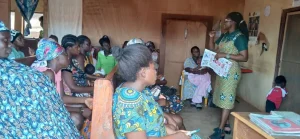
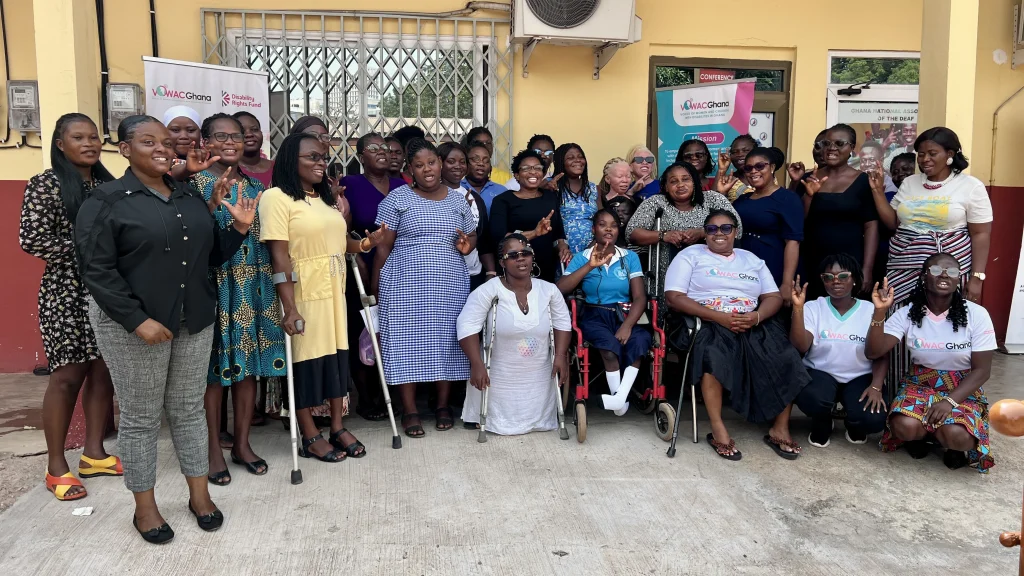
This shift was the central theme of a transformative capacity-building workshop organised by VOWACGhana for 30 women with disabilities in Accra last Friday.
The workshop moved beyond traditional activism to introduce a professional framework for social change.
Under the guidance of VOWACGhana, participants were taught that effective advocacy must begin with a deep understanding of issues through research and community input, followed by the setting of SMART goals – objectives that are Specific, Measurable, Achievable, Relevant, and Time-bound.
The training emphasised that targeted goal-setting is directly correlated with higher success rates in policy change efforts.
The VOWACGhana curriculum provided a comprehensive roadmap for planning, including:
• Building Alliances and Networks: Strengthening collective voices to create a unified front.
• Communicating Messages and Engaging Stakeholders: Learning how to articulate issues to high-level policy influencers and duty-bearers.
• Identifying Advocacy Opportunities and Entry Points: Pinpointing strategic moments within government and local authorities to introduce change.
• Developing Action Plans and Strategies: Applying concrete actions to build leadership, access, and opportunity.
• Monitoring Progress and Celebrating Successes: Ensuring that every milestone is tracked to maintain momentum for sustained social change.
By mastering these elements, the advocates were equipped to design inclusive strategies that break down unique barriers, ensuring that the movement for inclusion is led by those it impacts most directly.
The impact of this technical grounding was immediately evident in the feedback from participants. Bernice Agboada, a young advocate for albinism rights, told DisabilityNewsGH.com that the workshop helped her identify exactly why some of her previous efforts had fallen short of their targets.
“I discovered how some of my advocacy approaches were wrong and could not yield much results,” she admitted. “I have now learned how to get my facts right, including using data and the legal angles to the issues I speak about for effective and impactful advocacy.”
For Ms. Esenam Drah, an advocate with lived experience of Bipolar Disorder, the gathering was about more than just technical skills – it was about collective empowerment.
“It was a great opportunity to meet other women with other disabilities championing the same cause in diverse ways. It gave me a sense of belonging; as an advocate, I rarely come across such meetings,” she noted.
Ms. Drah highlighted the importance of learning to navigate and overcome the unique challenges that often arise during grassroots campaigning.
She expressed excitement about a proposed WhatsApp platform designed to coordinate their activities and share real-time learnings from the field.
While the participants have returned to their communities empowered with this professional toolkit, the next critical step for VOWACGhana will be the subsequent development of a strategic advocacy work plan.
This plan will serve as the campaign’s blueprint, guiding their collective efforts to ensure that the concluding recommendations of the UNCRPD and the 2025 GDS commitments move beyond political rhetoric and become a tangible reality.
By elevating women and youth with disabilities to lead this charge, VOWACGhana is ensuring that the voices of the most marginalised are not just heard, but are driving the national agenda for inclusion.
SOURCE: DisabilityNewsGH.com