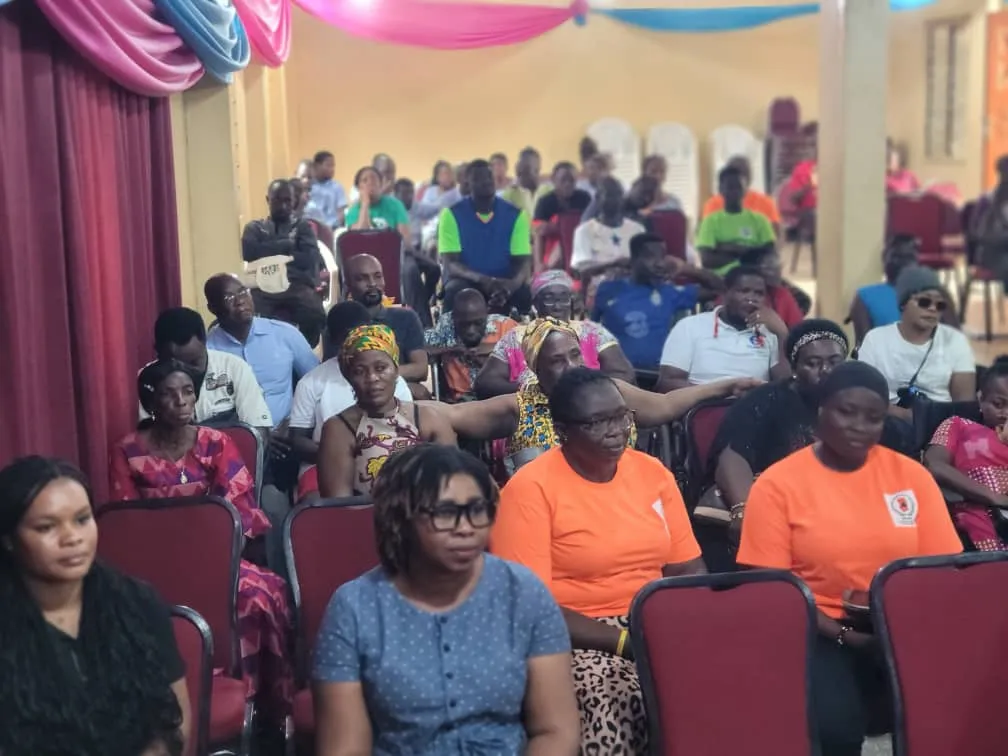
In a major effort to shift the narrative around disaster management, the Gender and Social Affairs Department of the National Disaster Management Organisation (NADMO) has hosted a vital flood safety and preparedness sensitisation programme for Persons with Disabilities (PWDs).
The event, which took place on Saturday, June 27, 2026, at the Accra Rehabilitation Centre, was held under the theme: “Staying Safe before, during and after floods: The Role of Persons with Disabilities in Building Resilience.”
The training sought to challenge the traditional view of PWDs as passive, helpless victims during natural disasters. Instead, NADMO organisers emphasised that when properly equipped, PWDs are invaluable, active partners in building resilient communities.
With Accra frequently experiencing severe seasonal flooding, the sensitisation programme aimed to achieve three primary objectives:
1. Educate PWDs on practical, life-saving measures to take before, during, and after flood disasters.
2. Highlight the active role PWDs can play in local disaster risk reduction and community emergency planning.
3. Promote the development of inclusive emergency response systems and accessible early warning alerts.
Participants were taken through interactive sessions on identifying flood risks within their immediate environments, planning safe evacuation routes, and navigating emergency support channels.
A major highlight of the session was practical advice on assembling disability-specific emergency kits. Participants were taught to proactively secure essential items such as:
• Pre-packaged, dry-wrapped medications.
• Mobility aids and spare parts kept in easily accessible spots.
• Laminated lists of emergency contacts and medical information.
The discussions also focused on social accountability. Participants explored how PWDs can share their survival knowledge with neighbours, support vulnerable people in their vicinities, and aggressively advocate for accessible public emergency shelters and inclusive early-warning communication formats (such as sign language and simplified text alerts).
The training highlighted three critical takeaways for inclusive disaster management. First, proactive preparedness before a flood strikes is the single most effective way to save lives.
Second, inclusive planning at the municipal level is non-negotiable to ensure that no PWD is left behind during forced evacuations or aid distribution. Finally, PWDs are highly effective community educators who can guide their own families toward safety.
Organisers concluded that true disaster resilience is impossible without absolute inclusion. When PWDs are actively informed, involved, and consulted in disaster planning, families and neighbourhoods become vastly stronger and far better prepared to withstand environmental crises.
SOURCE: DisabilityNewsGH.com