A powerful new force for the rights of women and girls with disabilities has been unveiled in Ghana, supported by a 12-month project aimed at moving women from the margins to the centre of national advocacy.
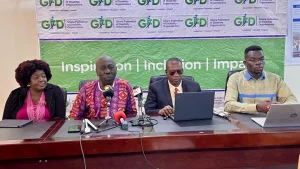
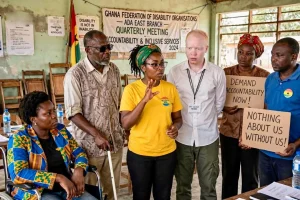
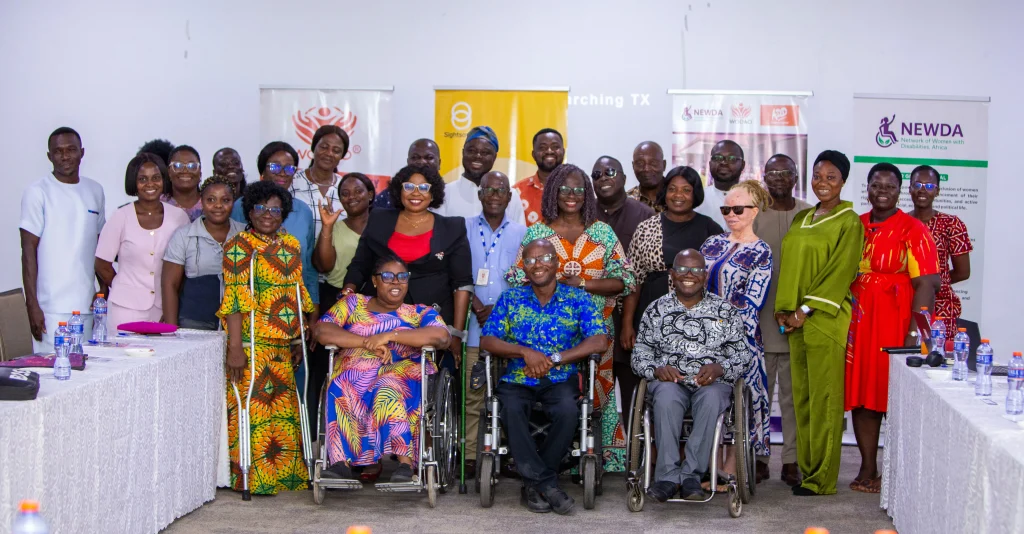
The Network of Women with Disabilities, Africa (NEWDA) was officially launched on Friday, May 9, alongside its flagship project: “Strengthening the Women with Disabilities Movement and Advancing the Ratification of the African Disability Protocol (ADP) in Ghana.”
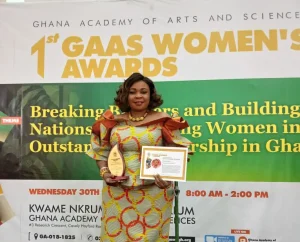
The initiative, funded by ADD International, is spearheaded by a formidable team of convenors: Veronica Kofiedu, Professor Augustina Naami, and Cecilia Fofo Ashaley.
“Equal Rights, Not Charity”
Speaking during the launch, the Executive Director of NEWDA, Veronica Denyo Kofiedu, set a defiant tone for the new movement, asserting that the ratification of the African Disability Protocol (ADP) is a fundamental requirement for justice rather than an act of benevolence.
“Women with disabilities are not asking for charity; we are demanding equal rights, equal opportunities, and equal participation in society. The African Disability Protocol provides a strong framework to make this a reality,” Ms Kofiedu stated.
She further noted that despite ongoing national conversations on inclusion, many women with disabilities remain “invisible” in policy implementation and development planning.
“True inclusion cannot happen when women with disabilities are excluded from decision-making tables. Our voices, experiences, and leadership must be recognised as essential to national development,” she added.
‘Where is Ghana’s Leadership?’ Sightsavers Questions ADP Delay
The launch was bolstered by a stinging rebuke of the government’s delay in ratifying the ADP.
Delivering a speech on behalf of the Country Director, Mr David Agyemang, Sightsavers’ Programmes Manager, Mohammed Abdul-Razak, noted that Ghana’s current stance is uncharacteristic of its history.
“As the first country to open the floodgates for Africa’s independence, Ghana has chalked many firsts, including producing the first African woman to lead the UN Committee on the Rights of Persons with Disabilities, Madam Gertrude Oforiwa Fefoame,” Abdul-Razak stated.
However, he pointed out that while 15 countries – including Nigeria, South Africa, Kenya, and Rwanda – have already ratified the ADP, Ghana remains missing from the list.
“Where is Ghana’s leadership? This is clearly unacceptable!” he declared to a room that included members of the Parliamentary Select Committee on Disability.
This delay, Sightsavers argues, hinders Ghana’s ability to implement specific protections for its most vulnerable citizens.
Birthed from Vision and Research
The birth of NEWDA is rooted in the lived experiences of its founders. Professor Augustina Naami revealed that the network was conceived last year when the three visionary convenors were completing a project assignment from ADD International.
Rather than making assumptions, the trio conducted a feasibility study and due diligence within the disability ecosystem.
They identified a critical need for an inclusive, non-partisan platform that brings together women with disabilities (WWDs) from all backgrounds.
“NEWDA will create this platform to empower women to collectively advocate for their human rights and promote inclusion, equality, and social justice,” Professor Naami explained.
The “Triple Jeopardy” of Exclusion
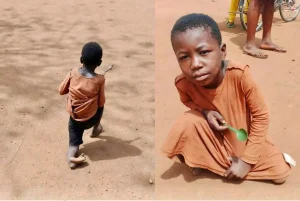
Professor Naami delivered a sobering analysis of the “triple jeopardy” faced by women with disabilities, who navigate the intersection of disability-based discrimination and gender-based inequality.
She noted that these layers do not merely intersect but interact to create extreme vulnerability.
Citing research, she highlighted that compared to their male counterparts and women without disabilities, women with disabilities are significantly less likely to have an education and more likely to face higher unemployment rates and lower incomes.
Perhaps most distressing was the data on violence. Women and girls with disabilities are approximately three times more likely to experience violence than those without disabilities.
They are also more likely to remain in abusive relationships for longer periods, are less likely to report abuse, and face a greater risk of losing their lives due to violence and neglect.
Bridging the Legal Gap
A key motivation for the project is the inadequacy of current Ghanaian laws. While Ghana ratified the UN Convention on the Rights of Persons with Disabilities (CRPD) in 2012, NEWDA argues that domestic frameworks have failed women.
“Neither Act 715 (the Persons with Disabilities Act) nor the National Gender Policy makes adequate provision for the protection, promotion, and full enjoyment of the rights of women with disabilities,” Professor Naami argued.
The African Disability Protocol is seen as the solution because it addresses unique African challenges, including harmful traditional practices and the specific roles of community and caregivers, while providing explicit protections for women and girls.
No More Spectators
With the support of ADD International and partners like Sightsavers, NEWDA intends to use this one-year project to formalise its network nationwide and build the leadership capacity of its members.
The workshop drew to a close with a resolute collective stance: the era in which women with disabilities were seen as mere spectators in their own advocacy is definitively over.
NEWDA has arrived to ensure they are the ones driving the agenda for equity, dignity, and full participation.
SOURCE: DisabilityNewsGH.com