Ghana is already feeling the brunt of climate change. From the devastating floods in Accra to the prolonged droughts in the north, no part of the country has been spared. The recent spillage of the Akosombo Dam, which displaced thousands of families, and the Accra floods that submerged homes and businesses, are stark reminders that climate disasters are not distant threats but present realities.
Yet, while the evidence is undeniable, public understanding of climate change remains low. Too often, the conversation is confined to policy circles, leaving ordinary citizens, especially vulnerable groups, without the knowledge to adapt and respond.
Climate change is not just an environmental concern; it is also a civic and social challenge. When awareness is lacking, the most vulnerable are left exposed. Persons with disabilities, children and the elderly, are disproportionately affected by climate disasters.
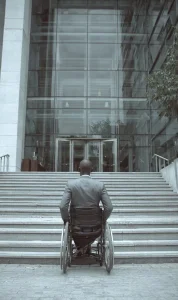
During the Akosombo Dam spillage, many persons with disabilities were stranded because evacuation centres were not disability-friendly, and some lacked mobility support. In the recent Accra floods, blind and elderly citizens struggled to escape rising waters, often depending on the goodwill of neighbours. These situations highlight how existing responses fail to account for the unique needs of marginalised groups.
Our national approach has been largely reactive. Agencies like the National Disaster Management Organisation (NADMO) often step in after disasters strike.
While policies exist, they are rarely translated into simple, practical messages that communities can use. Awareness campaigns remain limited, inaccessible, and often fail to reach those at the margins.
Civic education can bridge the gap between government policies and citizen action. The National Commission for Civic Education (NCCE), according to Article 41 k, has the mandate to empower citizens with knowledge about their rights and responsibilities. Integrating climate awareness into civic education ensures that people understand their role in protecting the environment, preparing for disasters, and supporting vulnerable neighbours.
When citizens are educated, they are transformed from passive victims of climate disasters into active participants in building resilience. A blind person who understands evacuation protocols, a farmer who receives weather updates in their local language, or a child who learns to plant trees at school becomes part of the solution.
If Ghana is to build true resilience, climate education and awareness campaigns must be inclusive. This requires collaboration among NADMO, EPA, NCCE, Social Welfare, NGOs, traditional leaders, schools, and the media. Campaigns must:
- Be delivered in local languages through radio, storytelling, and community forums.
- Be accessible to persons with disabilities, using braille, sign language interpretation, and disability-friendly evacuation drills.
- Be gender-sensitive, ensuring women and girls are not left behind.
- Be tailored to children, the elderly, and the urban poor.
The Akosombo Dam spillage and the recent Accra floods showed us that climate disasters hit hardest where awareness and preparedness are lowest. To protect lives and secure our development gains, Ghana must move from reactive disaster management to proactive, inclusive civic education.
Government, civil society, schools, traditional leaders, and individuals all have a role to play but above all, vulnerable groups must not be left behind.
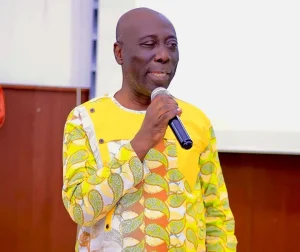
As a Civic Educator and a person with disability, I have witnessed firsthand the urgent need for grassroots climate education. Together, we can ensure that the next time disaster strikes, no Ghanaian disabled or able-bodied person is left stranded.
The time to act is now.
God bless our homeland Ghana.
By Castro Kofi Appiah.
SOURCE: DisabilityNewsgh.com