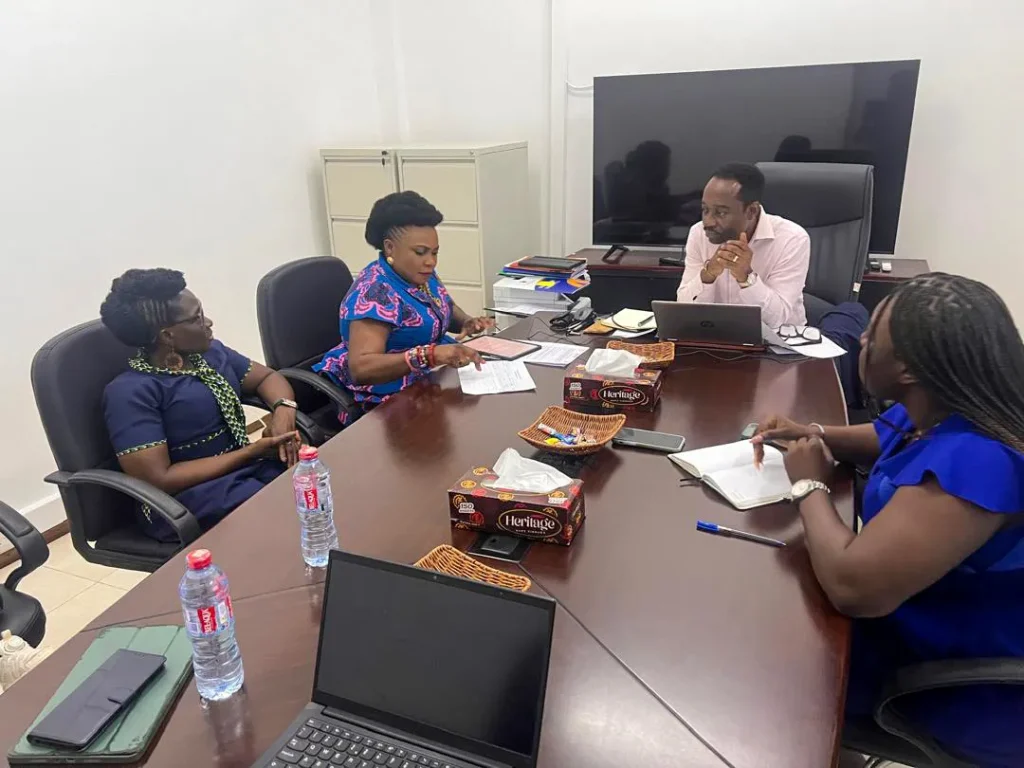
The Network of Women with Disabilities, Africa (NEWDA), in collaboration with the Women with Disability Development and Advocacy Organisation (WODAO), has formally engaged the National Council on Persons with Disability (NCPD) to establish a strategic partnership aimed at accelerating Ghana’s ratification of the African Disability Protocol (ADP).
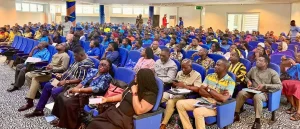
The engagement, which took place at the NCPD secretariat in Accra on Monday, August 3, 2026, also sought to strengthen leadership, policy participation, and social-economic inclusion for women and girls with disabilities across the country.
Advocacy for Ghana to ratify the African Disability Protocol has been ongoing since 2018. Under its current collaborative grant project – “Strengthening the Women with Disabilities Movement and Advancing the Ratification of the African Disability Protocol in Ghana” – NEWDA has intensified national consultations to secure executive and parliamentary action.
Supported by ADD International with technical assistance from WODAO, NEWDA has engaged key state and non-state actors, including the Ministry of Gender, Children and Social Protection, the Attorney-General and Ministry of Justice, the Ghana Federation of Disability Organisations (GFD), Sightsavers Ghana, and media partners.
The engagement with the NCPD is a key step toward aligning national regulations with continental disability rights frameworks.
During the presentation of their official working note to the NCPD, NEWDA and WODAO outlined five priority areas for joint execution:
1. Policy and Legislative Advocacy: Driving the ratification of the African Disability Protocol, domesticating international disability instruments, and monitoring the implementation of Ghana’s Persons with Disability Act (Act 715).
2. Capacity Building: Developing leadership skills, legal literacy, and rights awareness among women and girls with disabilities to promote inclusive governance.
3. Research and Evidence Generation: Conducting joint gender-and-disability research, policy analysis, and documentation to inform national planning.
4. Public Education: Rolling out national awareness campaigns and media advocacy to eliminate societal stigma.
5. Institutional Inclusion: Ensuring women with disabilities are represented on national technical working groups, policy consultations, and advisory boards.
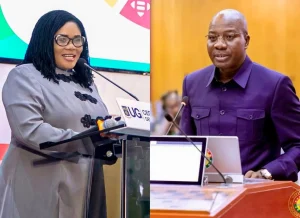
Underscoring the critical importance of evidence-based advocacy, one of the Conveners of NEWDA, Prof. Augustina Naami, welcomed a planned disaggregated data collection exercise announced by the NCPD.
Prof. Naami noted that credible data and rigorous research are fundamental prerequisites for effective disability advocacy and sound policy formulation.
She stressed that national data must capture intersecting factors – specifically gender, disability type, and age – to ensure the unique realities of women and girls with disabilities are not erased in national development planning.
“Credible data and research are essential for effective disability advocacy and evidence-based policymaking,” Prof. Naami emphasised. “We need data that explicitly captures differences by gender, disability, and other relevant factors so that the specific experiences and challenges of women and girls with disabilities are not overlooked.”
Prof. Naami expressed NEWDA’s full readiness to collaborate with the Council, government agencies, and development partners to generate, analyse, and utilise robust evidence to drive inclusive policy reforms.
To ensure the partnership yields tangible outcomes, another Convener and WODAO Executive Director, Miss Veronica Denyo Kofiedu, proposed a structured operational framework between the entities.
The proposal calls for the designation of institutional focal points, the hosting of quarterly or biannual coordination sessions, joint annual work planning, and the signing of a formal Memorandum of Understanding (MoU) to define roles and operational responsibilities.
“Stronger collaboration between the Council and women-led disability organisations is essential for advancing inclusive governance,” Kofiedu stated. “Ensuring that women and girls with disabilities fully participate in national development requires structured partnerships, evidence-based advocacy, and the swift ratification of continental instruments like the ADP.”
The NCPD is expected to review the proposals as part of ongoing efforts to unify stakeholder actions and strengthen disability rights implementation across Ghana.
SOURCE: DisabilityNewsGH.com